






How to Make a Ratatouille to Remember

By: Brier Barclay
September 24, 2025
Instructions
Sometimes, the simple things in life are the best. That's the case with ratatouille. Few dishes capture the essence of French cooking quite like this one, and vegetarian diners will love it. You don't need fancy ingredients or a ticket to Europe to master it, either. Here's how to cook a ratatouille to remember.
What is Ratatouille?
Ratatouille is a rustic French dish that transforms humble summer vegetables into something extraordinary. But it's more than just a plate of veggies; it's a celebration of summer's bounty. It's a timeless recipe that serves equally well as a side dish or as the main event. Master this one recipe and you'll have a reliable go-to in your culinary repertoire.
Ratatouille Ingredients
Simple food is even more needful of high-quality ingredients because there's no complexity to hide behind. So selecting the right veggies for this dish makes all the difference. You're looking for the holy trinity of Mediterranean vegetables: glossy purple eggplant, vibrant bell peppers, and tender summer squash. These form the backbone of any authentic ratatouille, each bringing its own texture and subtle sweetness to the pot.

Start with a large eggplant that feels heavy for its size with taut, shiny skin. Yellow squash adds a mild, buttery flavor that compliments the eggplant's earthiness perfectly. For the peppers, mix colors if you like, for aesthetics. A yellow onion adds a savory foundation flavor, while canned crushed tomatoes tie everything together.
Picking Herbs and Spices
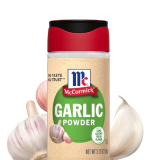
Fresh herbs look rustic when you add them to the pot, but dried basil leaves work beautifully in ratatouille, intensifying as they cook. Garlic powder distributes more evenly than fresh cloves, ensuring every bite gets its fair share of that pungent warmth. A little sea salt and freshly ground black pepper round out the seasoning, while a generous dash of extra-virgin olive oil carries all these flavors through the dish.
How to Make Ratatouille
Making ratatouille isn't complicated, but timing and technique separate good versions from great ones. The key lies in understanding how each vegetable cooks and giving them the attention they deserve.
Preparing Vegetables for Cooking
Peeling the eggplant removes any potential bitterness from the skin, though some cooks leave it on for extra fiber. Peel the squash, then core your peppers thoroughly, removing all seeds and white membranes. Then you're ready to cut your vegetables into uniform one-inch chunks to ensure even cooking with a rustic, hearty texture.
Layering and Cooking Techniques
Now comes the fun part. Heat your olive oil in a large, deep skillet over medium-high heat until it shimmers. Add all your cut vegetables at once along with salt and pepper, then cover the pan. This initial covered cooking creates steam that softens the vegetables while the bottom layer begins to caramelize. Stir occasionally to prevent sticking, but don't overdo it. You want some browning to deepen that vegetable flavor. Some cooks swear by oven-roasting their vegetables first for deeper caramelization.
Tips for Achieving the Perfect Texture
If you notice too much liquid accumulating, remove the lid and let it evaporate. Too dry? Add a splash of water or tomato juice. After about 15 minutes, when the vegetables have softened, reduce the heat to medium-low. Now add your tomatoes, garlic powder, and basil. This staged approach prevents the spices from burning while allowing the vegetables to break down into that characteristic melting texture. Continue cooking for between six and eight minutes, stirring more frequently now as the mixture thickens.
Common Mistakes to Avoid
The biggest mistake people make when learning how to make ratatouille is rushing the process. Those vegetables need time to release their moisture and develop flavor. Another pitfall is cutting vegetables too small, which creates a mushy mess rather than the tender-but-distinct pieces that characterize great ratatouille.
Serving Suggestions and Storage
When ready to serve, drizzle your ratatouille with additional olive oil and serve immediately with crusty bread for soaking up the flavorful liquid.
If you can't eat it all, don't worry; leftover ratatouille improves overnight as its flavors meld. Store it covered in the refrigerator for up to five days, reheating gently on the stovetop with a splash of water if needed. It also freezes well for up to three months. Just thaw it overnight in the refrigerator before reheating.
More Vegetable Recipes to Try!
Looking for something light? These fresh, delicious vegetable recipes are perfect as a meal or side.


