






Instructions
What are Tarragon Leaves?
Tarragon is a perennial herb lauded for its green leaves and distinct bittersweet flavor profile. Known as the “King of the Herbs” in classic French cuisine, tarragon is a defining ingredient in classic culinary creations such as Béarnaise sauce, fine herbs, and classic roasted tarragon chicken.
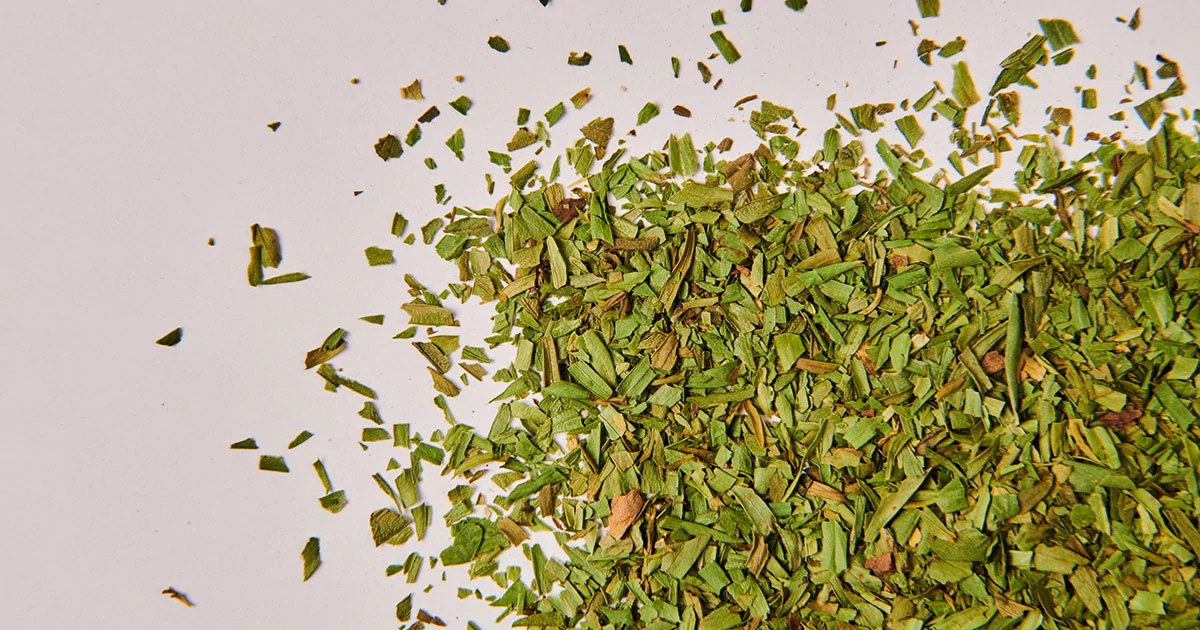
McCormick Tarragon Leaves are harvested at peak flavor and dried within hours to retain their bright green color, delicate aroma, and fresh herbaceous quality.
Are Tarragon, Basil, and Fennel Related?
Tarragon, basil and fennel all feature sweet, aromatic, licorice-like undertones, so it’s common to wonder if they are related to one another. However, they belong to three very distinct plant families:
- Tarragon: A member of the sunflower and daisy family, closely related to wormwood and mugwort.
- Fennel: A member of the carrot and parsley family, related to dill, cumin, and celery.
- Basil: A member of the mint family, related to oregano, rosemary, thyme, and lavender.
Why Do They Taste Similar?
Despite belonging to different plant families, tarragon, fennel and sweet basil all share high concentrations of a natural aromatic compound called estragole. Estragole gives each of these herbs their signature sweet anise, licorice, and slightly cooling taste profile.
Because they share this key flavor molecule, tarragon, fennel, and basil complement one another exceptionally well in sauces, marinades, tomato dishes, and Mediterranean vinaigrettes. Other spices that pair well with tarragon leaves include black pepper and parsley.
What Do Tarragon Leaves Taste Like?
Tarragon leaves have an aromatic, bittersweet and cooling taste. It features distinct notes of licorice, anise, and mint. It offers a balance of warm spice and brightness that can lift rich sauces and add complexity to more delicate dishes.
Substitutes for Tarragon Leaves:
If a recipe calls for tarragon leaves but you need a quick alternative, consider these alternatives:
- Basil: Dried basil leaves share the same aromatic compound that gives tarragon its sweet and slightly licorice profile. Basil leaves blend smoothly into tomato sauces, chicken pan sauces, and vinaigrettes while offering a similar leafy appearance.
- Fennel Fronds or Seeds: If you're looking for a tarragon substitute with a similar licorice flavoring, fennel seeds have what you need. Fennel Seeds offer a sweet licorice flavor that can be used to flavor your meat dishes or tomato-based sauces.
- Thyme: For your French recipes, roasted vegetables, and meat rubs – thyme leaves are the perfect replacement for tarragon whenever you're in a pinch.
- Rosemary: Perhaps just as aromatic as tarragon – rosemary leaves offer a distinctive piney flavor that can elevate your meat dishes.
Best Cuisines for Tarragon Leaves
While tarragon leaves are most famously celebrated as the backbone of French cuisine, their unique aroma brings depth to several culinary traditions around the globe.
- French Cuisine: In classical French cooking, tarragon is considered one of the four essential fines herbes (alongside parsley, chervil, and chives). Its sweet profile cuts through rich dairy and complex reduction sauces. Use in dishes like bearnaise sauce, tarragon roasted chicken, and French herb omelets.
- Eastern European: Across Eastern Europe and Slavic regions, tarragon is prized for its cooling quality in both hearty savory meals and unique beverages. Try dishes like Russian fish pies, Georgian Chakapuli, or Tarkhuna.
- Western Europe & America: In contemporary American cooking, tarragon leaves are the secret ingredient for elevating creamy comfort foods, picnic classics, and summer barbeque staples. Try in chicken and potato salads, on lobster rolls, in soups, and for herb-infused vinegar for salad dressings.
How to Use Tarragon Leaves in Cooking
One of the best things about tarragon spice is that it is incredibly versatile and can be used in savory and sweet dishes. One of the easiest ways to use tarragon is to chop the fresh leaves and sprinkle them onto finished dishes. This herb goes well with omelets, frittatas, and scrambled eggs, adding a fresh and flavorful touch to your breakfast. Tarragon also pairs well with lighter meats like chicken and fish. Try marinating your chicken with olive oil, garlic, and freshly chopped tarragon. You can even add freshly chopped tarragon to your roasted veggies like asparagus, potatoes, and carrots.
You can also use dried tarragon spice in your recipes but be mindful that the herb's potency may vary depending on its freshness. Dried tarragon is excellent for marinades, soups, and sauces that have a long cooking time, as they release the flavor more slowly into the dish.
Fresh vs. Dried Tarragon Leaves
What's the difference between fresh and dried tarragon? Mainly the power of the flavor. Fresh tarragon has a much stronger flavor and should be used sparingly in dishes. If left cooking for too long, fresh tarragon can develop a bitter taste. Therefore, it's better used raw or added toward the end of a recipe as a garnish. In contrast, dried tarragon is concentrated in flavor and can be used early in a recipe to take advantage of its pungent aroma. We recommend using one teaspoon of dried tarragon for every tablespoon of fresh tarragon whenever substituting one for the other.
Grab Your Tarragon Leaves Products
- McCormick® Tarragon Leaves, 0.2 oz
- McCormick Gourmet™ All Natural Tarragon, 0.37 oz
- McCormick Culinary Tarragon Leaves, 3.5 oz


