





Spices Every Kitchen Should Have: 12 Essential Staples for Better Home Cooking

September 09, 2026
Instructions
Article Highlights
|
A well-stocked spice cabinet is one of the easiest ways to elevate everyday cooking. Whether you're roasting vegetables, grilling chicken, simmering soup, or baking a favorite dessert, the right spices can transform simple ingredients into meals that are rich in flavor and aroma. While it's easy to feel overwhelmed by the variety of options on the grocery store shelf, you don't need dozens of jars to become a confident home cook. Starting with a core collection of McCormick® spices gives you the flexibility to prepare everything from comforting weeknight dinners to globally inspired dishes, all while building flavor one pinch at a time.
The 12 Essential Spices Everyone Should Have
A thoughtfully stocked pantry isn't about having the most spices, it's about having the right ones. These essentials work together to create everything from simple roasted vegetables to hearty stews, grilled meats, homemade marinades, and baked treats: black pepper, garlic powder, onion powder, smoked paprika, cumin, chili powder, oregano, thyme, cinnamon, crushed red pepper flakes, bay leaves, and Italian seasoning.
The Foundational Single Spices for Seasoning
Every spice cabinet should begin with a few hardworking staples that can be used almost daily.
Black pepper is one of the most versatile cooking spices you'll own. Freshly ground or pre-ground, it adds subtle heat and depth to everything from eggs and roasted vegetables to steak, pasta, soups, and salad dressings. It's often the final seasoning that brings a dish into balance. (Learn more in About Black Pepper: Uses, Pairings and Recipes.)
Ground cumin brings warm, earthy flavor that's essential in Mexican, Middle Eastern, Indian, and Southwestern cooking. It's equally at home in chili, taco meat, roasted vegetables, curries, grain bowls, and homemade spice rubs. (Explore more in About Cumin: Uses, Pairings and Recipes.)
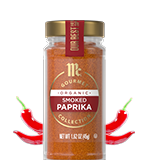
Smoked paprika offers rich color along with a gentle smokiness that instantly makes grilled meats, potatoes, vegetables, seafood, soups, and sauces feel more complex. Even a small amount adds depth without overwhelming other flavors. (For more ideas, see About Smoked Paprika: Uses, Pairings and Recipes.)
These three alone can dramatically improve everyday cooking and are a great place to begin if you're building your pantry from scratch.
Aromatic Staples That Build Flavor
While salt and pepper often get the spotlight, aromatic spices quietly create much of the savory flavor found in home cooking.
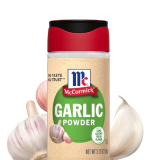
Garlic powder delivers concentrated garlic flavor that's ideal for dry rubs, marinades, roasted vegetables, popcorn, potatoes, burgers, and homemade seasoning blends. Unlike fresh garlic, it disperses evenly throughout spice mixtures and doesn't burn as easily during high-heat cooking. (Find more inspiration in About Garlic: Uses, Pairings and Recipes.)
Onion powder works in much the same way, adding mellow onion flavor without extra moisture. It's especially useful in burgers, soups, dips, sauces, meatballs, roasted vegetables, and homemade ranch seasoning. Used together, garlic powder and onion powder create the savory backbone of countless recipes. (Learn more in About Onion Powder: Uses, Pairings and Recipes.)
Although it's often associated with desserts, ground cinnamon deserves a place among your everyday essential spices. Beyond cookies and baked goods, cinnamon adds warmth to oatmeal, roasted sweet potatoes, Moroccan-inspired dishes, chili, spice rubs, coffee, and even smoothies. (See About Cinnamon: Uses, Pairings and Recipes.)
Herbs That Do the Heavy Lifting
Dried herbs provide freshness and complexity year-round, making them indispensable for home cooks.
Oregano is a pantry staple for Italian, Greek, and Mexican-inspired cooking. Sprinkle it into pasta sauces, pizza, grilled vegetables, vinaigrettes, soups, taco fillings, or marinades to instantly brighten savory dishes. (Discover more in About Oregano: Uses, Pairings and Recipes.)
Thyme has a subtle woodsy flavor that pairs beautifully with roasted chicken, potatoes, mushrooms, beef, vegetables, soups, and slow-cooked stews. It's one of those herbs that quietly enhances almost everything it touches. (Read more in About Thyme: Uses, Pairings and Recipes.)
Bay leaves don't add bold flavor on their own, but they're invaluable for slowly building complexity in soups, braises, stocks, chili, pasta sauces, and beans. Simply add a leaf while simmering and remove it before serving. (Learn more in About Bay Leaves: Uses, Pairings and Recipes.)
Finally, Italian seasoning offers convenience by combining several complementary herbs into one blend. It's perfect for pasta sauces, garlic bread, roasted vegetables, chicken, seafood, pizza, casseroles, and vinaigrettes. (Explore more in Italian Cuisine.)
Heat and Bold Flavor
A small amount of spice can completely transform a dish, which is why these pantry staples deserve a permanent place in your cabinet.
Chili powder provides mild heat along with earthy depth, making it a go-to for chili, taco meat, fajitas, enchiladas, burgers, soups, and dry rubs. It's one of the most versatile spices for seasoning because it layers flavor without overwhelming the dish. (See About Chili Powder: Uses, Pairings and Recipes.)
Crushed red pepper flakes offer brighter, sharper heat and allow you to control spice levels one pinch at a time. Sprinkle them over pizza, pasta, roasted vegetables, stir-fries, eggs, soups, or grilled meats whenever a recipe needs an extra kick. (Find more ideas in About Red Pepper: Uses, Pairings and Recipes.)
Why These Spices Matter
One of the biggest misconceptions about cooking is that flavorful meals require dozens of specialty ingredients. In reality, a small collection of must-have spices can take you surprisingly far.
Many of these spices appear across multiple cuisines. Cumin works just as well in tacos as it does in curries. Smoked paprika adds depth to grilled chicken, roasted potatoes, and seafood. Oregano easily transitions between Mediterranean and Mexican recipes, while garlic powder and onion powder improve nearly everything from vegetables to burgers.
Building your pantry around versatile spices also makes it easier to cook with less sodium. Instead of relying solely on salt, herbs and spices create complexity through aroma, warmth, sweetness, smokiness, and gentle heat.
Freshness matters, too. High-quality spices deliver brighter color, stronger aroma, and more pronounced flavor, helping you use less while achieving better results.
How to Store Spices and Keep Them Fresh
Even the best spices lose their potency over time if they're stored improperly. Heat, light, moisture, and air all gradually reduce flavor, which is why storing spices correctly makes such a difference.
Keep spices in tightly sealed containers in a cool, dry cabinet away from direct sunlight and heat sources like the stove or dishwasher. Avoid storing them above the range, where steam and fluctuating temperatures can shorten their shelf life.
Ground spices typically maintain their best flavor for about two to three years, while whole spices often stay fresh even longer. If you're unsure whether a spice is still good, open the jar and smell it. A fresh spice should have a strong, distinctive aroma. If the scent is faint or dusty, it's probably time for a replacement. (For more storage guidance, see How Long Do Spices Last?.)
When shopping, consider buying larger value-size containers of the spices you use most frequently (such as black pepper, garlic powder, or paprika) and smaller jars of specialty spices that you reach for less often. Whole spices are another great option for cooks who enjoy grinding their own blends, since they generally retain their flavor longer than pre-ground versions.
How to Use and Combine Spices Like a Pro
Once you've stocked your pantry with a handful of essential spices, learning when and how to use them is what takes your cooking to the next level. The good news is that you don't need to memorize complicated recipes or techniques. A few simple principles will help you get the most out of every jar.
One of the easiest ways to build flavor is by making your own seasoning blends. Combining pantry staples allows you to create custom flavors for different cuisines while reducing the number of specialty blends you need to buy.
Timing also plays an important role in flavor development. Ground spices like cumin, chili powder, smoked paprika, and black pepper often benefit from being added early in the cooking process. Cooking them briefly in oil, often called blooming, helps release their natural oils and creates deeper, more complex flavor. Dried herbs such as oregano, thyme, and bay leaves also perform best when added during cooking, giving them time to infuse soups, sauces, braises, and stews.
More delicate seasonings, like crushed red pepper flakes or freshly ground black pepper, can also be sprinkled over finished dishes for an extra layer of flavor and aroma. If you're looking for more inspiration on combining flavors, 5 Almost Magical Spice Pairings You Need to Try Right Now offers creative combinations that can expand your cooking repertoire.
Building Your Spice Cabinet Without Breaking the Budget
Creating a well-stocked spice cabinet doesn't have to happen all at once. In fact, most home cooks only reach for a small group of spices on a regular basis, so it's perfectly reasonable to build your collection over time.
If you're just getting started, begin with the four spices that deliver the most versatility: black pepper, garlic powder, smoked paprika, and ground cumin. Together, these can season everything from chicken and vegetables to soups, tacos, roasted potatoes, burgers, and marinades.
Next, add onion powder, chili powder, oregano, and Italian seasoning, which immediately expand your options for Mexican, Mediterranean, and Italian-inspired cooking. Finally, round out your pantry with thyme, bay leaves, cinnamon, and crushed red pepper flakes to cover everything from slow-cooked comfort foods to baked goods and spicy weeknight meals.
Buying larger value-size containers of the spices you use most often can save money over time, while purchasing smaller jars of less frequently used spices helps reduce waste. With this gradual approach, it's entirely possible to build a versatile spice cabinet for under $50 while avoiding unnecessary duplicates.
Simple Meals That Showcase Your Essential Spices
One of the biggest advantages of keeping these essential spices on hand is how easily they can transform everyday ingredients into satisfying meals.
Black pepper, garlic powder, and onion powder instantly elevate roasted vegetables, scrambled eggs, burgers, and grilled chicken. Ground cumin, chili powder, oregano, and smoked paprika create flavorful taco meat, chili, fajitas, soups, and grain bowls. Italian seasoning, thyme, and bay leaves become the backbone of hearty pasta sauces, slow-simmered soups, and braised meats. Meanwhile, cinnamon adds warmth to oatmeal, pancakes, baked apples, muffins, cookies, and spice rubs for pork or chicken.
As your confidence grows, you'll naturally begin combining these spices in new ways, adapting recipes to your personal taste and creating signature flavor combinations that become part of your everyday cooking.
Frequently Asked Questions
How many spices does the average home cook actually use?
While many home kitchens contain dozens of spice jars, most cooks rely on a relatively small collection for everyday meals. A core group of 10 to 12 versatile spices is enough to prepare a wide variety of cuisines without overcrowding your pantry.
Is ground or whole spice better?
Both have their place. Ground spices are convenient and ready to use, making them ideal for everyday cooking. Whole spices generally retain their flavor longer and can be freshly ground when needed for maximum aroma and intensity. If you're interested in grinding your own spices, How to Grind Your Own Spices, Plus Spice Conversions for Your Favorite Seasonings is a helpful resource.
Are McCormick spices organic?
McCormick offers both traditional and organic spice options, allowing home cooks to choose the products that best fit their cooking style and preferences. Availability varies by spice, with many popular pantry staples offered in both conventional and organic varieties.
Build Your Pantry, Build Your Confidence
A thoughtfully stocked spice cabinet is one of the best investments you can make as a home cook. Rather than chasing dozens of specialty ingredients, focusing on a collection of versatile spices every kitchen should have gives you the tools to confidently prepare everything from weeknight dinners to holiday favorites.


